Common Electrical Issues in Swimming Pools and How to Prevent Them
June 23, 2026
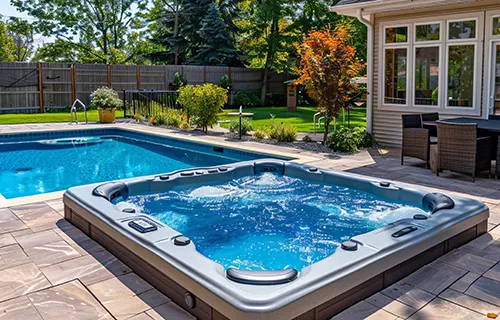
Common Electrical Issues in Swimming Pools
- Faulty or flickering pool lighting
- Tripped breakers or GFCI outlets
- Corroded wiring or electrical connections
- Malfunctioning pool pumps or motors
- Water intrusion into electrical components
- Improper grounding or bonding systems
- Overloaded circuits in pool equipment systems
Why Pool Electrical Problems Happen
Swimming pools rely on complex electrical systems that power lighting, pumps, heaters, and other essential equipment. Because these systems operate in wet environments, they are especially vulnerable to moisture damage, corrosion, and wear over time.
One of the most common issues is faulty or flickering pool lighting, often caused by damaged wiring or failing fixtures. Another frequent problem is tripped breakers or GFCI outlets, which are designed to protect against electrical shock but may indicate deeper wiring or grounding issues. When these safety devices trip repeatedly, it usually signals a problem that should be inspected by a licensed electrician.
Corrosion is also a major concern in pool electrical systems. Exposure to water, chemicals, and outdoor conditions can degrade wiring and connections, leading to performance issues or safety hazards. Poor grounding or bonding can further increase the risk of electrical shock if not properly installed or maintained.
How to Prevent Electrical Issues in Pools
Preventing pool electrical problems starts with proper installation and regular maintenance. Ensuring that all wiring is done according to code and protected from moisture helps reduce long-term risks. GFCI protection should always be installed and tested regularly to ensure it is functioning correctly.
Routine inspections by a licensed electrician can help identify early signs of wear, corrosion, or system overload before they become serious problems. Keeping electrical components clean, dry, and properly sealed also plays a key role in extending system lifespan.
In addition, upgrading to modern, energy-efficient pool equipment can reduce strain on electrical systems and improve overall safety and performance.
For safe, reliable pool electrical systems and professional maintenance, contact Premier Plus Electric today.
Have Questions?
Fill out the form below to get more information about our electrical services! *are required fields.
Our Services
- Commercial Electrical Services
- Complete Electrical Installations
- Electrical Service Upgrades
- Fire Alarm Installation
- Generator Installations
- Generator Service and Repair
- HVAC Wiring/Electrical Installations
- IT & Low-Voltage Installation
- Hot Tubs and Pools
- Lighting and Fan Installations
- Parking Lot & Outdoor Lighting
- Remodels/Additions
- Residential Electrical Services
- Wiring and Connections